How to Tell If Your Roof Has Hail Damage in Midland
Midland hail hits hard and fast. Here are the signs that separate real shingle damage from ordinary wear, and how to know when to call a roofer.
You can tell your Midland roof has hail damage by looking for bruised or soft spots on shingles, knocked-off granules that expose the mat, dents in metal vents and gutters, and cracked or displaced shingle edges. Those four signs show up after almost every significant hail event in Midland, and they are the same things your insurance adjuster will look for.
This guide walks through exactly where to check, what separates real hail damage from ordinary West Texas wear, and when it is time to bring in a roofer. We do this work across Midland every storm season, so the details below are the ones that actually matter when you are standing in your driveway with a flashlight.
What Hail Damage Actually Looks Like on a Midland Roof
Hail damage on a roof is the physical bruising, granule loss, and impact fracturing that happens when hailstones strike shingles, metal, and roofing accessories hard enough to break the surface.
Midland sits in one of the most hail-prone corridors in Texas. Storms rolling off the Permian Basin regularly drop stones from pea-size up to golf-ball size, and a 10-minute hailstorm at 45 mph can do more damage than an hour of steady rain. The damage is not always visible from the ground, which is why so many homeowners miss it until the next big rain finds its way into the attic.
Three things happen when hail hits asphalt shingles:
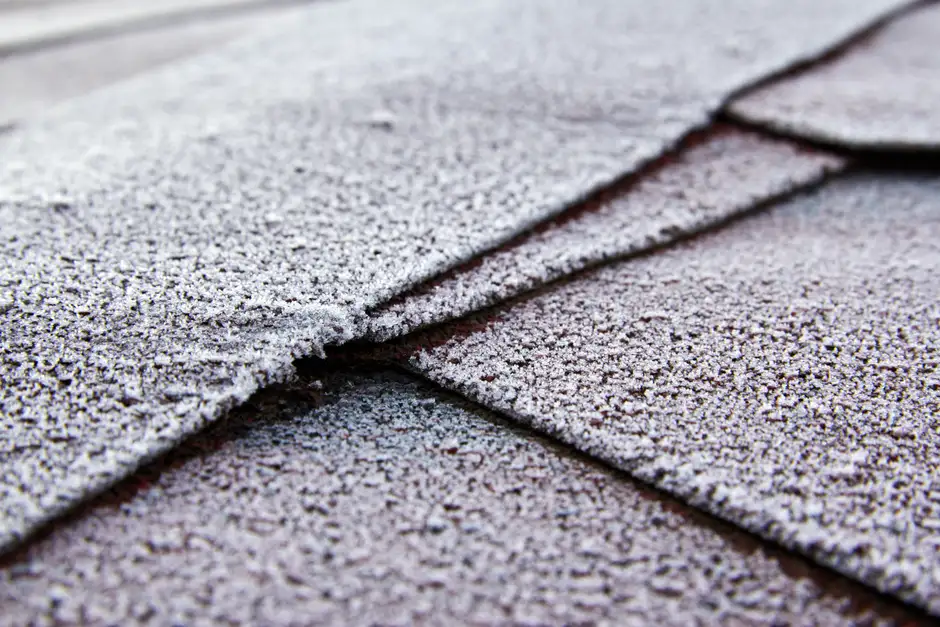
- Granule loss. The sandy coating on top of the shingle gets knocked loose, exposing the dark asphalt underneath.
- Mat bruising. The fiberglass mat under the shingle gets crushed, leaving a soft, discolored spot that feels like a bruise when you press on it.
- Fracturing. On older or brittle shingles, the impact cracks the shingle outright, which is an immediate leak risk.
If you are not sure what you are looking at, a professional Roof Inspection Midland TX will tell you in about 30 minutes whether you have a claim or just normal wear.
How Do I Tell If My Roof Has Hail Damage in Midland TX?
Start from the ground and work up. You do not need to climb on your roof to spot most of the evidence - and you should not, because walking a hail-damaged roof can void a claim and put you on a steep pitch you are not used to.
Here is the order we recommend for a roof hail damage check in Midland:
- Walk the perimeter. Look at gutters, downspouts, window screens, AC condenser fins, and the tops of fence posts. If those are dented, the roof almost certainly took hits too.
- Check the ground. Look for piles of granules in your gutters or at the base of downspouts. A handful of granules after a storm is normal. A coffee can's worth is not.
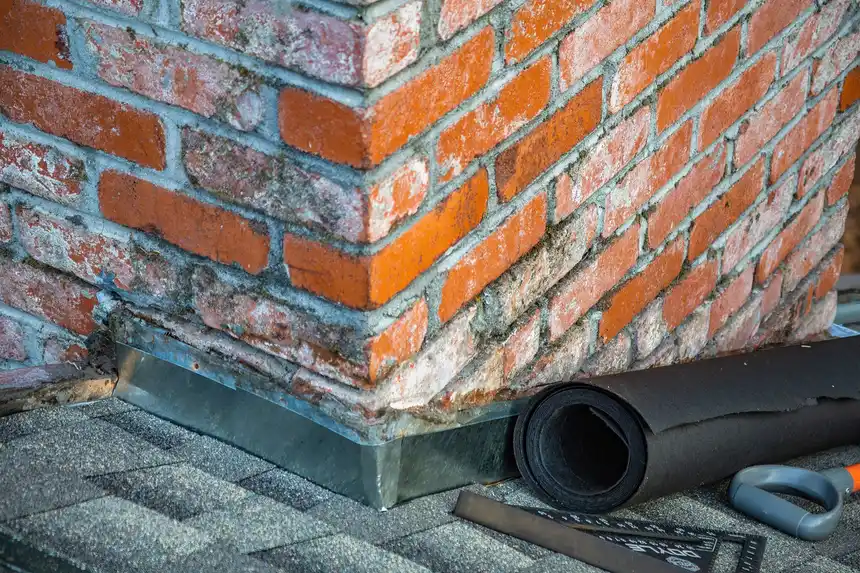
- Look at soft metals on the roof. From a ladder at the eaves, check the roof vents, flashing, and any metal chimney caps for dents.
- Inspect shingle edges from the ladder. Cracked, missing, or lifted shingle tabs along the rake and eave are the easiest hail signs to see from a safe position.
- Go into the attic. Look for daylight through the roof deck, dark water stains on rafters, or damp insulation. Hail damage that has been sitting for a few weeks usually shows up here first.
If any of those checks turn up something, that is your cue to call a roofer before you call your insurance company. A documented inspection with photos and measurements is what makes a hail claim go smoothly, and it is the difference between a repair and a full Roof Replacement Midland TX.
Where to Check First: The Spots Hail Hits Hardest
Hail does not hit a roof evenly. Wind direction, roof pitch, and the age of the shingles all change where the damage lands. In Midland, we see the worst hits in these spots:
- South and west-facing slopes. The prevailing storm track across the Permian Basin comes from the west and southwest, so those planes take the brunt.
- Ridge caps and hip ridges. The highest points catch the most direct impact and are usually the first to show bruising.
- Valleys and roof-to-wall transitions. Hailstones collect and bounce here, and the flashing is thin enough to dent easily.
- Soft metal accessories. Turbine vents, plumbing boots, satellite mounts, and gutter aprons all show dents that are easy to photograph for a claim.
- Older three-tab shingles. Anything over 12 to 15 years old is brittle enough that hail cracks it instead of just bruising it.
If your home is in one of the older neighborhoods near downtown Midland or along the streets south of Loop 250, your roof has probably seen multiple hail events over the last decade. Granule loss stacks up, and shingles that survived the first storm may not survive the next one. That is why we recommend a Roof Maintenance Midland TX visit every spring, before storm season kicks off in April and May.
What Does Hail Damage Look Like on a Roof in Midland?
On asphalt shingles, hail damage looks like random dark spots where granules have been knocked away, soft bruised areas that dent when pressed, and cracks radiating from impact points. The pattern is scattered, not uniform - that randomness is the giveaway.
On metal roofing, hail leaves dents that range from barely visible to obvious, depending on the gauge and the size of the stones. On tile roofing, look for cracked or chipped tiles and displaced pieces. On flat or low-slope roofs, hail damage shows up as punctures, splits, and bruising on the membrane - often invisible from the ground and easy to miss until water starts pooling.
Here is a quick comparison of what you are looking for by roof type:
- Asphalt shingles: granule loss, bruised mat, cracked tabs, exposed fiberglass.
- Metal roofing: dents, especially on ribs and panel edges; loosened fasteners.
- Tile roofing: cracked or shattered tiles, chipped corners, broken pieces in the gutter.
- Flat and TPO/EPDM: punctures, splits, and soft spots around seams and penetrations.
If you have a flat or low-slope roof on a shop, garage, or commercial building, hail damage can be harder to see and more expensive to ignore. A Commercial Roofing Midland TX inspection catches membrane damage before it turns into a ceiling leak over your inventory.
Hail Damage vs. Normal Wear: Telling Them Apart
This is the part that trips up most homeowners, and it is the part insurance adjusters are trained to spot. Normal wear from West Texas sun and heat looks different from hail damage, and mixing them up can get a claim denied.
Normal wear shows up as:
- Shingles that are uniformly faded or curled at the edges.
- Granule loss that is even across the whole roof, not concentrated in spots.
- Cracking along shingle edges from thermal expansion, not from impact points.
- Blistering from trapped moisture or attic heat, which looks like small raised bubbles.
Hail damage shows up as:
- Random, scattered impact marks with no pattern.
- Soft spots you can feel with your hand - the mat is crushed underneath.
- Fresh granule loss in a defined area after a specific storm.
- Dents on metal components that match the date of the storm.
One more thing to watch: hail damage often does not leak right away. The bruise weakens the shingle, and the next freeze-thaw cycle or wind event finishes the job. That is why we tell Midland homeowners to get a hail damage roof inspection within 30 days of a storm, even if the roof looks fine from the street.
Common Mistakes Homeowners Make After a Hailstorm
The biggest mistake is waiting. Texas homeowners insurance policies typically require you to report hail damage within one year of the storm date, and some carriers shorten that window. Miss it and you are paying out of pocket.
Other mistakes we see every season:
- Climbing on the roof yourself. You can crack shingles, slip on granules, and create damage that gets your claim denied.
- Signing with the first door-knocker who shows up. Storm chasers follow hail events across Texas. If they are not local, they will not be there when the work needs a warranty callback.
- Letting a contractor "handle" the claim for you. You are the policyholder. You file the claim, you talk to the adjuster, and you sign the contract.
- Accepting the first adjuster estimate without a second opinion. Adjusters miss damage. A roofer who knows how to document hail damage can get a supplement approved.
- Replacing only the damaged slope. If your shingles are discontinued or the roof is more than 15 years old, a partial repair can leave you with mismatched shingles and a shorter roof life.
If you are not sure whether you are dealing with hail damage or something else, a Storm Damage Roof Repair Midland TX inspection will sort it out. We document what we find, hand you the photos, and let you decide how to proceed.
When to Call a Professional
Call a roofer when you see dents on metal, granules in the gutter, or soft spots on shingles - or when a storm passed over your neighborhood and you are not sure. Those are the three situations where a professional inspection pays for itself.
At Midland Texas Roofing Experts, we handle hail claims across Midland every week. We get on the roof, photograph the damage, measure the impact pattern, and give you a written report you can hand to your insurance company. If it is a repair, we repair it. If it is a replacement, we walk you through the options and the timeline.
We also know which neighborhoods in Midland took the worst hits from recent storms, and we can tell you in a five-minute phone call whether it is worth filing a claim. If you are looking for a Hail Damage Roof Repair Midland TX team that has been through this hundreds of times, we are a phone call away.
Frequently Asked Questions
How do I tell if my roof has hail damage in Midland TX?
Look for dents on metal vents and gutters, granules piled in the gutter or at downspout outlets, and soft bruised spots on shingles. If any of those show up after a storm, get a roof hail damage inspection Midland TX before you file a claim.
What does hail damage look like on a roof in Midland?
On asphalt shingles, it looks like random dark spots where granules are gone, soft spots that dent under pressure, and cracks radiating from impact points. On metal, it is dents. On tile, it is cracked or displaced pieces.
Who inspects roofs for hail damage in Midland Texas?
Licensed roofing contractors and your insurance adjuster. We recommend a contractor inspection first, because a documented report with photos and measurements gives you leverage when the adjuster visits. Midland Texas Roofing Experts offers this inspection at no charge.
Does insurance cover hail damage roof repair in Midland?
Yes, in almost all cases. Standard Texas homeowners policies cover hail damage to the roof, minus your deductible. You typically have up to one year from the storm date to file, and some carriers shorten that window, so do not wait.
How much does hail damage roof repair cost in Midland TX?
Typical 2026 pricing in Midland runs $400 to $1,500 for minor spot repairs, $2,500 to $6,000 for partial slope repairs, and $9,000 to $18,000 for a full replacement on an average home. If the damage is storm-related and covered, your out-of-pocket cost is usually just your deductible.
Get Help with Roofing in Midland
If a storm rolled through your neighborhood and you are not sure what it left behind, we will get on your roof, document what we find, and tell you straight whether you have a claim. Call Midland Texas Roofing Experts at 432-987-8765 and we will schedule your hail damage inspection this week.